|
|
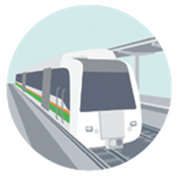
(1). Rolling Stock: includes selecting and designing technical specifications for the project, developing maintenance strategies for railcars, subsystems, and components, as well as performing engineering tasks to monitor, analyze, and improve the reliability of trainsets.
|
|
|
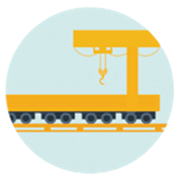
(2). Engineering Train: includes the design and use of specialized railway vehicles to carry out tasks such as track measurement and alignment, rail profiling, viaduct inspection, tunnel cleaning, and the maintenance of specialized railway equipment.
|
|
|
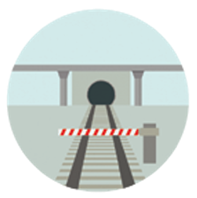
(3). Permanent Way and Civil Structure: includes the design, construction, inspection, repair, and maintenance of track infrastructure, tunnels, viaducts, structures across the railway network, stations, and depot areas, as well as engineering activities to monitor, analyze, and enhance the reliability of trackworks and infrastructure.
|
|
|
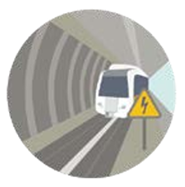
(4). Power: includes the design, supply, and maintenance of high- and low-voltage electrical systems that provide energy for train movement and railway network operations, as well as engineering activities to monitor, analyze, and improve the reliability of the power systems.
|
|
|
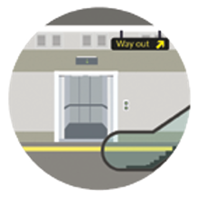
(5). Mechanical and Electrical (M&E): includes the design, supply, and maintenance of mechanical and electrical systems within the railway network, including elevators, escalators, station air conditioning and ventilation systems, as well as fire protection and firefighting systems, along with engineering activities to monitor, analyze, and enhance the reliability of M&E systems.
|
|
|
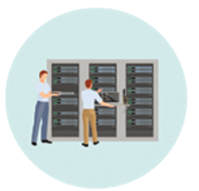
(6). Signal and Communications: includes the design, supply, and maintenance of systems that control and manage safe train movements and service frequency, as well as the transmission of audio, data, and video to support operations, along with engineering activities to monitor, analyze, and enhance the reliability of these systems.
|
|
|
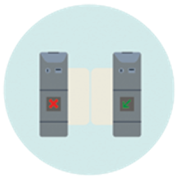
(7). Automated Fare Collection (AFC): includes the design, supply, maintenance, testing, and configuration of AFC systems, such as ticket vending machines, fare gates, and associated auxiliary systems.
|